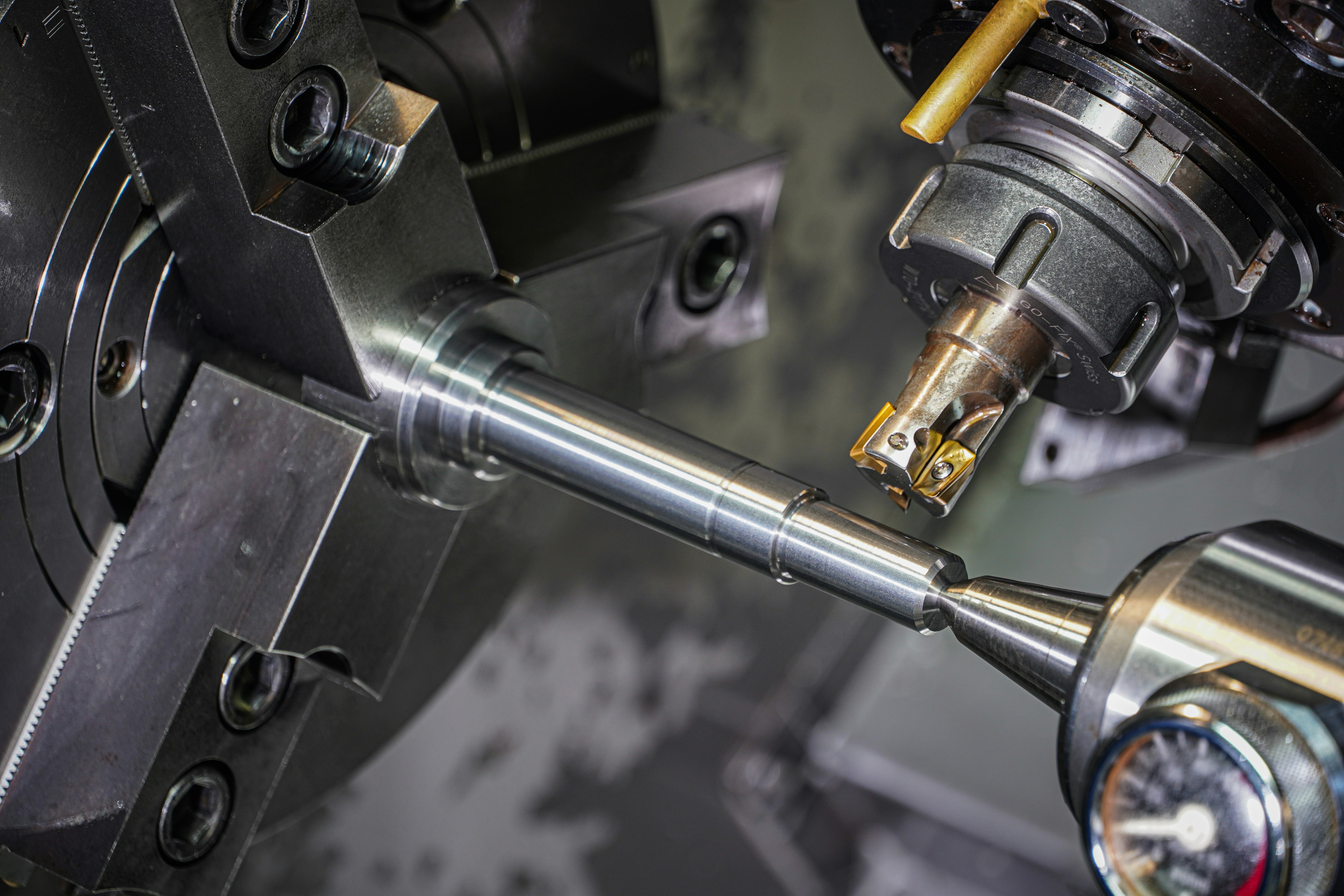
New Machine Tool Installation: From PO to Production | DiPaolo
Most of the attention in a machine tool purchase goes into the decision itself: which builder, which configuration, what it costs and how to finance it. Far less goes into what happens after the PO is signed, even though that stretch decides how soon the machine starts bringing a return on investment.
Between the order and the first completed part, a new machine has to be shipped, received, stored, rigged, set on a proper foundation, powered, levelled, commissioned and programmed, and the people running it need to be trained. For a machine coming from an overseas builder, that process can run for months. Every week it isn't producing is a week of financing payments and floor space with nothing to show for them.
How well that period goes has a lot to do with who you bought the machine from. This guide covers what a new machine tool installation involves, where projects tend to lose time, and what to expect from the company standing behind your machine, whether it's CNC or conventional.
What to Have Ready Before Your Machine Tool Arrives
Most installation delays start before the truck shows up to deliver the machine. These are the items worth working through with your dealer as soon as the order is placed:
1. Foundation: get the builder's foundation requirements early. Larger and heavier machines often need a dedicated pad or a thicker reinforced slab, and new concrete needs time to cure before a machine can be set on it.
2. Electrical: confirm voltage, phase and amperage against the machine's requirements, and book the electrician before delivery.
3. Air supply: check the pressure, volume and air quality the machine calls for.
4. Rigging and access: measure door openings and the path to the final location, and confirm crane or rigging capacity for the machine's weight.
5. Chips and coolant: plan where chips will go, how coolant will be handled and how much floor space that takes beyond the machine's own footprint.
6. Storage: if the machine lands before the site is ready, it needs a dry, secure place to wait.
On overseas shipments, freight, tariffs, customs clearance and inland trucking add to the timeline. We manage this end to end for customers who want it, from logistics with the builder to warehousing until the floor is ready and installation of the foundation. Some shops prefer to handle parts of it themselves, which works well too, provided someone is clearly responsible for each step.
Where New Machine Installations Lose Time
Once the machine is set and powered, the delays that follow usually come from the work around it.
Programming is a common one. A CNC machine needs a post processor that works with your CAM system, and programs that have been proven out on the actual machine. The first jobs almost always take longer than planned. Tooling and workholding cause the next most delays: if holders, fixtures and inserts weren't ordered alongside the machine, it sits waiting for them.
Training tends to get squeezed in around everything else. Operators are learning a new control, or a type of machine they haven't run before, while keeping existing work on schedule. Conventional equipment has a shorter learning curve, but setups and good practices still have to be passed on by someone who knows the machine well.
We provide training and programming support as part of getting a machine running, so your learning curve doesn't come entirely out of production time.
What Machine Tool Commissioning Should Include
Commissioning confirms that a machine is installed correctly and ready to hold tolerance on your parts. Powering it up and running a warm-up cycle is only the beginning.
A thorough commissioning typically covers leveling the machine on its foundation, checking geometry and alignment, verifying axis accuracy with a ball bar or laser, running in the spindle, confirming coolant, chip and safety systems, and making test cuts. On CNC equipment it should also include a backup of the control parameters. The installer should document how the machine was set up, which becomes valuable the first time something needs adjusting.
This is where many dealers step back. The machine is delivered, startup is left to the shop or to whatever time the builder can spare, and small problems go unnoticed. A levelling or alignment issue missed at installation tends to surface months later as drifting accuracy, uneven wear or a warranty claim nobody wants to own.
We commission the machines we sell. The technicians who install a machine know exactly how it was set up, and with field technicians in Western Canada, Ontario, Quebec and Atlantic Canada, that support is close to wherever your machine is running.
Support Over the Life of the Machine
A well-maintained machine tool can stay in production for twenty years or much longer, and the support behind it matters long after the installation crew leaves.
During warranty, we handle service directly instead of passing it off to someone else. Once the warranty ends, our focus stays on uptime: predictive and preventative maintenance, repairs, calibration and updates, with technicians who look for developing problems on every visit rather than waiting for a breakdown call. For a shop, that means fewer surprises and a more predictable cost per part.
When you outgrow a machine or need more capability, we offer fair buyback value. We rebuild the machine and place it with another shop where it can keep producing, which makes the move to your next machine simpler and helps offset its cost.
We also service equipment we didn't sell, any brand and any age, so the rest of your floor can be supported by the same team.
Choosing a Machine Tool, or Choosing a Partner
Two machines can look close on a quote and still deliver very different results once they're on your floor. The purchase price is only one part of the total cost of ownership. The rest comes down how the machine was installed, how quickly it reached production, and who supports it in the years that follow.
DiPaolo has worked with Canadian manufacturers for more than 55 years, from the first quote through installation, service and eventually buyback. If you're in the market for a new machine tool, CNC or conventional, talk to us early in the process and we'll help you plan everything between the PO and the first good part. Call 1 (833) DIPAOLO (347-2656) or reach us at www.DiPaoloCNC.com.
-1.png)